


Industrial Rocks - Key Raw Materials for Modern Industry
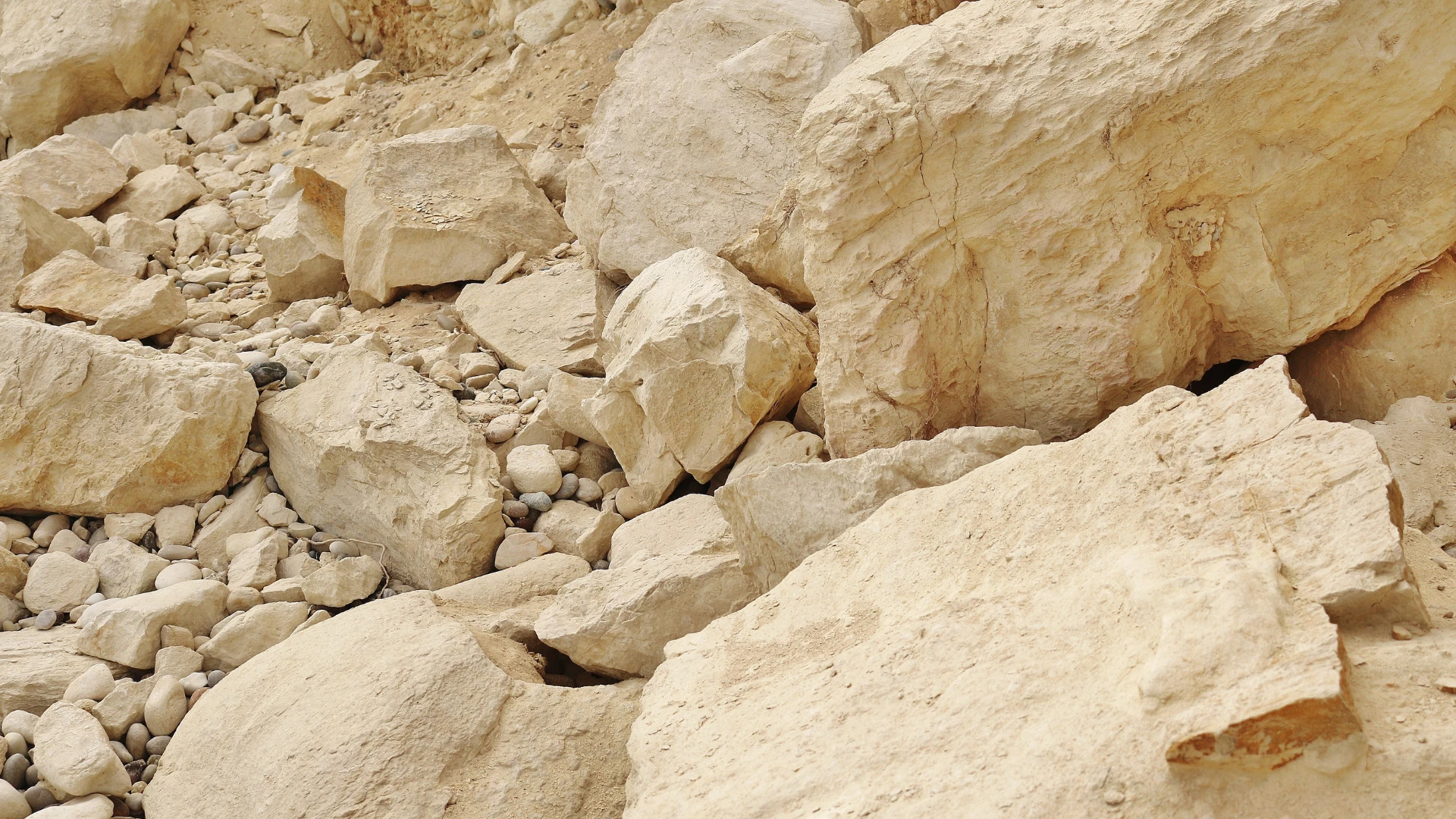
Industrial Rocks – Key Raw Materials for Modern Industry
Industrial rocks form the foundation of many sectors of the economy. They are used both in heavy industry and in the construction, chemical, metallurgical and energy sectors. Their importance results not only from their widespread availability, but above all from specific physical and chemical properties that determine the suitability of a given raw material for particular technological applications.
With increasing quality requirements and pressure on cost efficiency, the proper selection of industrial rocks is becoming a key element of production processes.
What are industrial rocks?
Industrial rocks are natural mineral raw materials that, after extraction and appropriate processing, are used in industry. Unlike typical construction aggregates, they must meet strictly defined quality standards, including chemical composition, grain size, moisture content and impurity levels.
The most commonly used rocks include:
- bauxite
- limestone
- basalt
Each of these raw materials serves a different function and meets the needs of different industrial sectors.
The importance of industrial rocks in the economy
Without industrial rocks, modern industry would not exist. They are the primary raw material for the production of:
- aluminium and its alloys
- specialty cements
- refractory and abrasive materials
- metallurgical components
- infrastructure elements
Their quality directly affects the stability of technological processes, the durability of final products and the energy efficiency of industrial installations.
Bauxite – the primary raw material for the aluminium industry
Bauxite is one of the most important industrial rocks worldwide. It is the main source of alumina, which is essential for aluminium production.
The main applications of bauxite include:
- aluminium metallurgy
- production of alumina cements
- manufacture of refractory materials
- chemical and abrasive industries
Key factors include the content of alumina and iron oxides. Parameters such as moisture, structure and material homogeneity are also important.
Basalt – durability and resistance in industrial applications
Basalt is a volcanic rock valued for its exceptional mechanical strength and resistance to atmospheric conditions. Thanks to these properties, it has a very wide range of applications.
Basalt is used, among others, in:
- road and railway construction
- production of paving stones and architectural elements
- manufacture of mineral wool
- infrastructure and energy industries
The stability of basalt parameters makes it a particularly desirable raw material for long-term projects.
Limestone – a versatile industrial raw material
Limestone is one of the most versatile industrial rocks. Its applications cover many sectors of the economy, from heavy industry to food processing.
It is most commonly used in:
- metallurgy and metal processing
- the sugar industry
- paper production
- flue gas desulfurization processes
- mining and extractive industries
A decisive role is played by chemical purity and the appropriate grain fraction, adapted to the requirements of a specific technological process.
Key quality parameters of industrial raw material
In order to be used in advanced production processes, industrial rocks must meet specific technical requirements, such as:
- chemical composition
- grain size
- moisture content
- material homogeneity
- mechanical strength
Continuous quality control helps to avoid production downtime and technological losses.
Import and logistics of industrial rocks
In the case of industrial rocks, efficient and safe logistics are of great importance. These raw materials are transported by:
- sea and inland waterways
- rail
- road transport
Proper cargo protection allows the full physical and chemical properties of the raw material to be preserved. The just-in-time delivery model is increasingly being used.
Industrial raw material and the stability of production processes
The correct selection of industrial rocks has a direct impact on production efficiency. Raw materials with stable parameters:
- reduce energy consumption
- improve installation efficiency
- reduce the risk of failures
- ensure repeatable quality of the final product
Therefore, industrial rocks are treated as a strategic element of the supply chain.
Summary
Industrial raw material are an indispensable component of the modern economy. Bauxite, basalt and limestone form the basis of many technological processes and determine the quality and durability of industrial products.
Growing market requirements mean that increasing attention is paid to parameter control, raw material origin and delivery logistics. Properly selected industrial rocks provide real support for the efficiency, safety and development of modern industry.